
If my great-great-grandmother Lucia passed down rebellion, my great-grandfather Angelo perfected it. A man of contradictions—brilliant yet impulsive, calculating yet emotional, rebellious yet deeply romantic. The kind of man whose story feels half legend, half confession.
The Boy Who Lived Too Fast
As a young man in 1930s Pennsylvania, Angelo’s temper and pride collided with the era’s rougher code of masculinity. One night, after discovering that his girlfriend had been seen in another man’s company, he acted without thinking—pulling a gun and shooting him. He was arrested, and for a time, the family believed he might face the death penalty.
No one ever spoke openly about what happened next, only that he was released under circumstances no one could quite explain. Family whispers suggest that Lucia may have turned to Sicilian connections to make it happen—the kind of help you never acknowledge out loud.
After that, the family photographs changed. Before, there were fine clothes, manicured hair, and confident smiles. After, simpler outfits and a certain hardness in their eyes. They never said it, but everyone knew something had shifted.
It didn’t break Angelo—it sharpened him. He learned that systems could be beaten if you were clever enough, that rules were only walls for people too afraid to climb.
The Soldier Who Outsmarted the Army
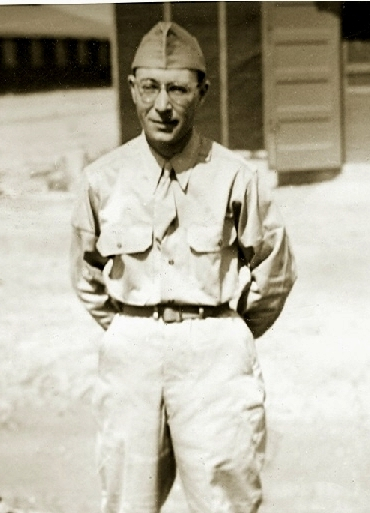
By 1942, at thirty-three, Angelo had already lived more lives than most. That year, he enlisted in the Army Air Forces, seeking purpose—or maybe discipline. But military life didn’t suit him. Born color-blind, he found a loophole. He exaggerated his condition, faking total blindness to secure an honorable discharge. The Army never caught on. Even under uniform and regulation, he found a way to outthink the system.
The First Marriage: Minnie
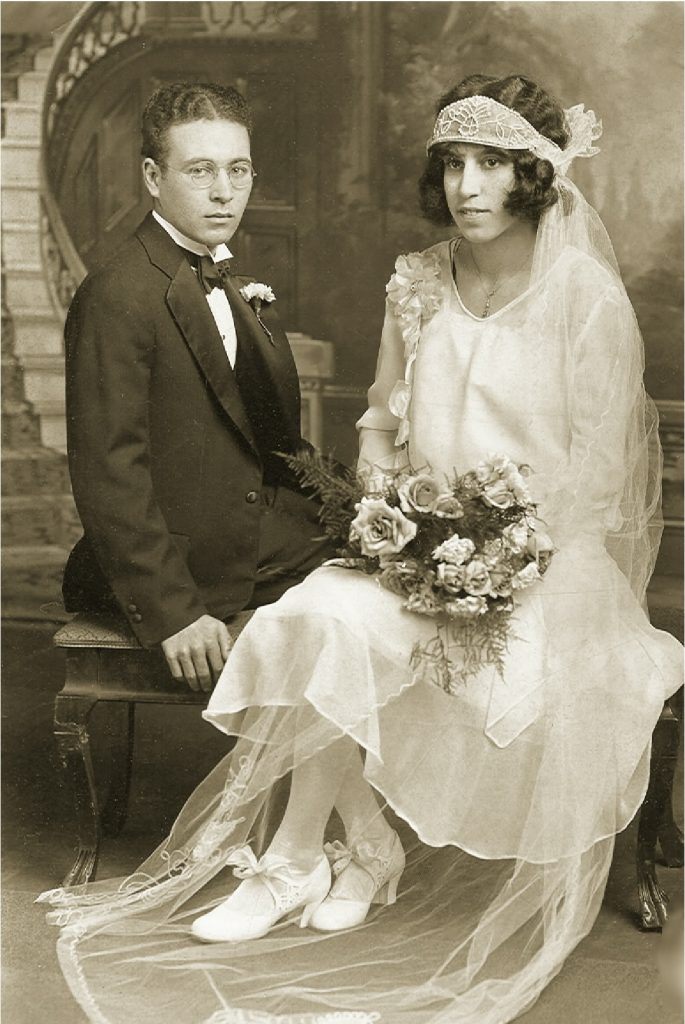
That same year, he married Minnie. They were cousins, as many families arranged back then, a match born more from family tradition than from love. It wasn’t an easy marriage, but it was one built on expectation rather than affection. By the mid-1940s, Angelo had grown restless and eventually left Pittsburgh. Thirty miles east, he met Jo—the woman who would change everything.
The Divorce
When Jo became pregnant, Angelo pleaded with Minnie for a divorce. She refused. It took until 1948—after eighteen years of marriage—for it to finally go through. Minnie accused him of desertion, though it was clear they had both been living separate lives for years. Angelo wasn’t trying to escape responsibility; he was trying to give Jo and their child his name.
The Scholar
Despite everything, Angelo’s mind never stopped searching for challenge. In 1967, at nearly sixty, he spent a single week at Duquesne University and passed enough CLEP exams—College-Level Examination Program tests designed to measure college-level knowledge without taking courses—to qualify for a Doctorate in Philosophy. He literally tested his way into a Ph.D.—no lectures, no professors, just brilliance.
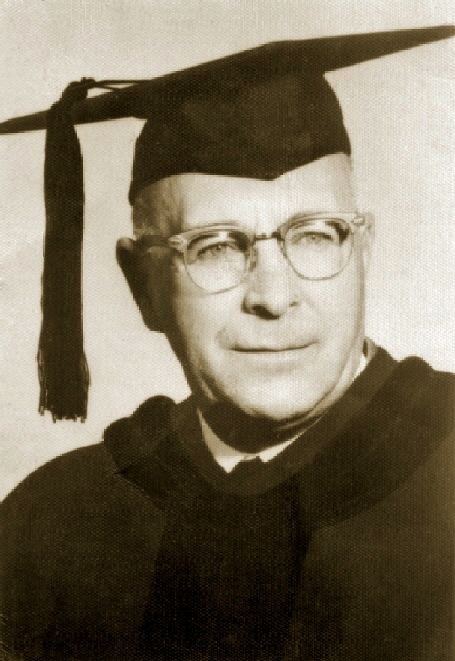
He even created his own mathematical simplification method, something entirely original that my uncles still talk about like folklore. When my mom once asked him about it, he told her she wouldn’t understand because she was a girl. Even genius, it seems, isn’t immune to the mindset of its time.
The Great Love
Jo wasn’t just another chapter—she was the story. She softened him in ways the world never could. She gave meaning to the equations swirling in his mind.

But when she died, numbers couldn’t fix grief. Logic couldn’t fill an empty house. In his final act of control, Angelo rigged his car inside the garage so he could slip away peacefully. In his note, written with the same precision that once defined his studies, he even explained how to safely retrieve his body.
My mom still remembers the day they found him—the silence, the shock, the weight of genius undone by heartbreak.
The Legacy
Angelo’s life reads like something out of a novel: the gifted boy who outsmarted death, outwitted the Army, and outlearned the classroom—only to be undone by love.
He proved that intellect can’t protect you from pain, that the mind can only carry so much before the heart breaks the equation.
Lucia gave our family rebellion. Angelo gave us brilliance—and the ache that comes with feeling everything too deeply.
Some families inherit wealth.
Ours inherited passion—and the trouble that always seems to follow it.
Leave a Reply